




The Beauty Of Plain Glaze
The Making of Plain Glaze
There is a quiet beauty in things made by hand. Small variations in colour, texture and form are not imperfections, but reminders of the materials, people and processes behind them.
At ANTA, our Plain Glaze stoneware is made by hand in our pottery in Fearn, Scotland. Using natural materials and traditional techniques, each piece makes a journey from clay to kiln, passing through the hands of our potters along the way.
The finished stoneware may appear simple, but beneath its understated surface is a process shaped by natural ingredients, careful craftsmanship and the unpredictable nature of fire.
Pictured above - Rustic Heather Large Lamp - £275
From clay to stoneware
Every piece of Plain Glaze begins with clay. Before it can become a mug, bowl, jug or plate, the clay is carefully prepared, shaped and finished by our potters.
The clay is formed using moulds and traditional pottery techniques, with each piece carefully finished by hand. Handles are added, edges refined and feet shaped before the pieces are left to dry. At this stage, the clay is still delicate and must be handled with care.
Once completely dry, the pieces are ready for their first firing.
Known as the biscuit firing, this transforms the clay into a hard, porous material that is much stronger and ready to receive its glaze. The kiln reaches around 1,000°C, more than four times the maximum temperature of a domestic oven.
It is an important stage in the making process. The character of the finished stoneware may come from the glaze, but it begins with the clay itself and the way it has been shaped.
As Annie, ANTA’s owner, describes the process, there is something wonderfully familiar about the transformation:
“Making ceramic stoneware is merely cooking on an industrial scale.”
It is a fitting way to think about the process. Like cooking, pottery relies on carefully chosen ingredients, experience and heat, and there is always an element of anticipation about what will happen when everything comes together.

A glaze made by hand
Once the biscuit firing is complete, each piece is ready to be glazed.
At ANTA, we mix our own glazes in the pottery and apply them by hand. The inside of each piece is glazed first, followed by the outside, with our potters working carefully to create an even coating across the surface.
The glaze is more than a colour. It is part of what gives Plain Glaze its depth and character, and its final appearance is influenced by everything that happens during the making process.
The glaze is made from natural ingredients which behave differently from one another. Some are heavier than others and can settle quickly, meaning the mixture has to be kept moving as it is applied.
It is a small detail, but an important one. Our potters are constantly working with the glaze, stirring and preparing it so that its ingredients remain evenly distributed. It is this kind of hands on care that makes the process so different from something made entirely by machine.

When the glaze meets the fire
After glazing, the pieces return to the kiln for their second and final firing.
This is when the transformation really happens.
Under intense heat, the glaze melts and fuses to the stoneware, developing the colours and surface qualities of the finished piece.
There is no way to know exactly how every piece will emerge until the kiln has cooled. The heat can bring out subtle changes in colour, depth and surface, and pieces from different firings may have their own character.
For Annie, this is part of what makes making ceramics so rewarding:
“It is the alchemy of handmade, hand decorated stoneware ceramics where the excitement remains for me.”
The glaze that looked one way before firing can look quite different afterwards. A colour may become softer or deeper; markings may become more pronounced; the surface can develop subtle differences as the glaze responds to the heat.
Rather than trying to remove these variations, we embrace them.

The beauty of variation
Working with natural materials and firing each piece individually means that no two pieces of Plain Glaze will ever be completely identical.
There may be gentle differences in tone between batches, or small variations in the way the glaze has settled across a surface. These aren't flaws. They are part of the nature of handmade stoneware.
Every piece carries a trace of the materials it was made from, the hands that shaped and glazed it, and the heat of the kiln that transformed it.
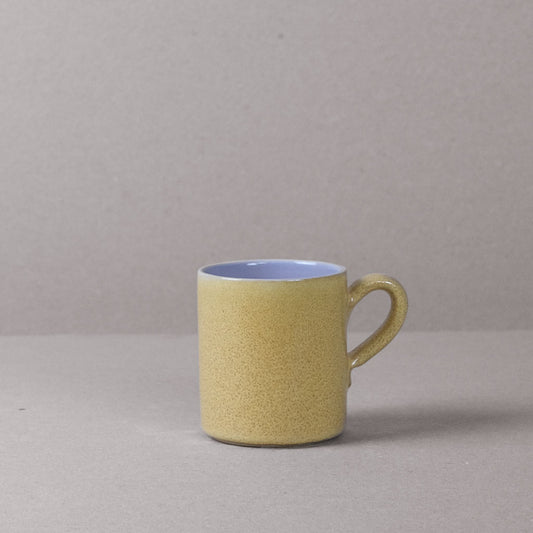
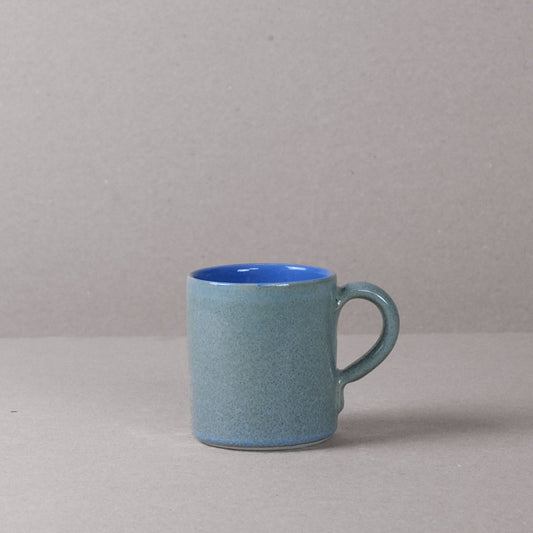
This is particularly important with a collection as understated as our Plain Glazes. There are no elaborate patterns or decorations to distract from the form. Instead, its beauty comes from the simplicity of the shapes, the qualities of the glaze and the subtle differences that emerge through the making process.
A bowl might have a slightly different tone from the one beside it. A mug may have a little more variation across its surface. Together, these small differences are what give the collection its warmth and individuality.

Made to be used
Although the making process is careful and considered, Plain Glaze stoneware is designed for everyday life.
Each piece is oven, dishwasher and microwave proof, making it as practical as it is beautiful.
These are pieces to use rather than keep tucked away. A bowl for breakfast, a mug for morning coffee, a serving dish brought to the table, or a vase filled with flowers. Over time, they become part of the everyday rituals of a home.
That sense of usefulness has always been important to ANTA. We want our ceramics to feel natural in the home, beautiful enough to notice, but practical enough to reach for every day.

Made by hand in Fearn, Scotland
For ANTA, making pottery has always been about more than creating beautiful objects. It is about making things that feel connected to where they come from.
Our pottery is made by hand in Fearn, Scotland, using natural materials and traditional skills passed through the hands of our potters. Each stage requires patience, care and an understanding of how clay, glaze and fire work together.
Plain Glaze is deliberately understated. Its beauty comes from the simplicity of the form, the natural qualities of the materials and the subtle variations created along the way.
From the clay beneath our hands, to the glaze carefully applied by our potters, to the intense heat of the kiln, every piece is shaped by a combination of skill, material and chance.
And perhaps that is what makes handmade stoneware so special. The finished piece may look simple, but it carries the story of how it was made.
Simple, useful and made to last, Plain Glaze is stoneware with its own quiet character, made by hand in Scotland for everyday life. Bring a piece into yours today.
Explore the Plain Glaze collection